Many Americans worry about their eyesight as they age or spend hours in front of screens. While the idea of permanently going without glasses sounds appealing, natural vision improvement requires practical, evidence-based interventions that promote long-term eye health. This article presents three simple, science-backed strategies you can start today to achieve clearer vision and healthier eyes in as little as seven days. Ready to give your eyes a treat? Let’s get started!
Why eye health is important
Your eyes work hard every day—from reading this article to navigating the world around you. According to the American Academy of Ophthalmology, over 150 million Americans wear corrective lenses, and factors like screen time, unhealthy diet, and age can strain your eyesight. Supporting your eyes with natural habits can reduce discomfort and help maintain sharper vision in the long run. These strategies aren’t a replacement for glasses or medical treatments, but they can complement your eye care routine.
Common vision problems
- Digital eye strain : Prolonged screen time can lead to dryness, blurred vision, and headaches.
- Aging eyes : After the age of 40, conditions such as presbyopia (difficulty focusing on close objects) become more common.
- Nutrient deficiencies : A diet deficient in important vitamins can have long-term adverse effects on eye health.
By introducing small changes, you can overcome these challenges and gain more confidence in your vision.
Hack 1: Care for your eyes with a vision-friendly diet
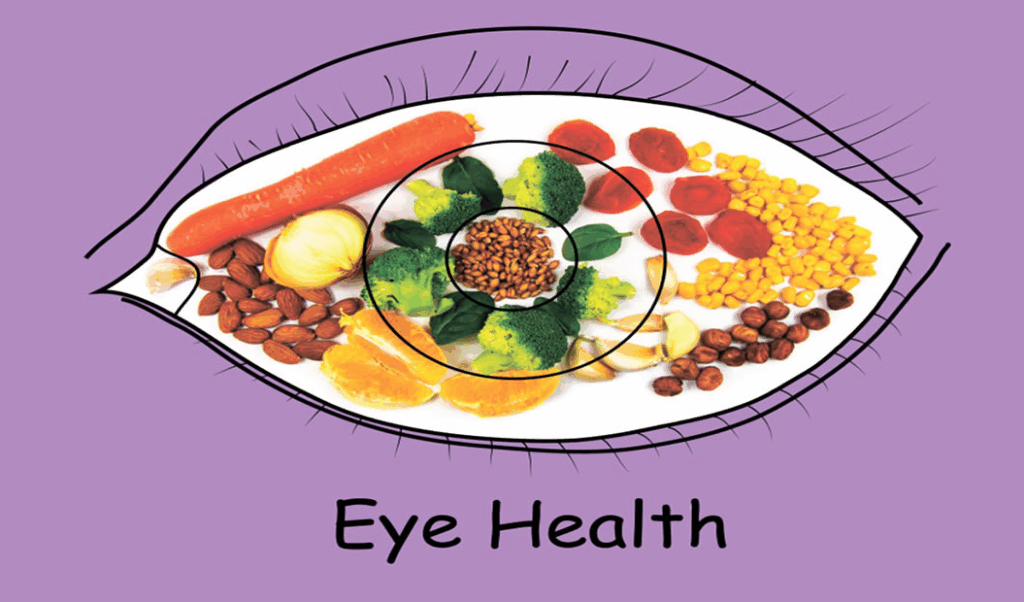
What you eat directly affects your eye health. Research from the National Eye Institute shows that certain nutrients like vitamins A, C, E, and omega-3 fatty acids protect your eyes from damage and contribute to better vision. By incorporating these foods into your meals, you may see results in as little as one week.
Top foods for better vision
- Carrots and sweet potatoes : Rich in beta-carotene, which your body converts into vitamin A for healthy retinas.
- Leafy greens : Spinach and kale contain lutein and zeaxanthin, antioxidants that protect against harmful light.
- Oily fish : Salmon and tuna provide omega-3 fatty acids, which relieve the symptoms of dry eyes.
- Citrus fruits : Oranges and berries are rich in vitamin C, which supports the blood vessels in the eyes.
- Nuts and seeds : Almonds and sunflower seeds contain vitamin E, which can slow age-related vision loss.
How to start
- Add a handful of spinach to your morning smoothie.
- Snack on a small orange or a few almonds in the afternoon.
- Try to eat two servings of fatty fish (like salmon) during the week.
- Swap white potatoes for sweet potatoes at dinner.
Try it for seven days. Your eyes may feel less strained and more refreshed. Share your favorite recipe for healthy eyes with friends and spread the word!
Hack 2: Do eye exercises to reduce strain
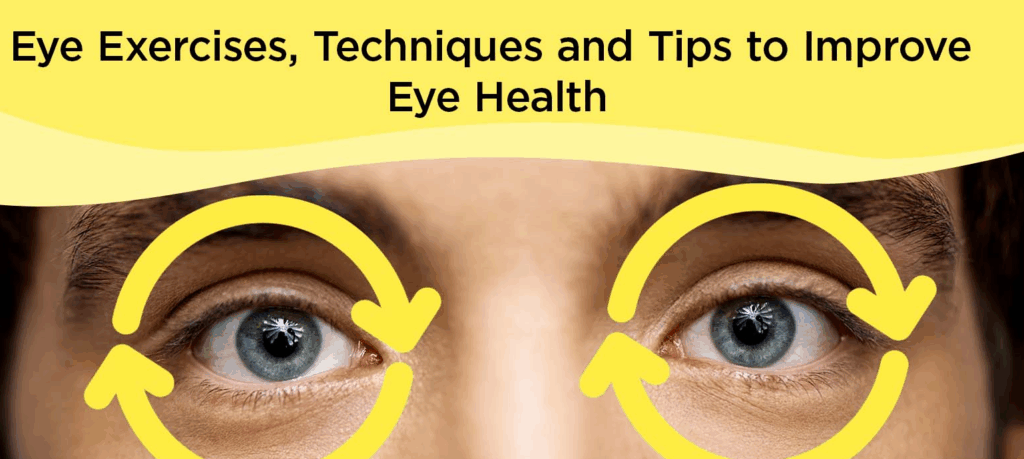
Eye exercises don’t correct nearsightedness or eliminate the need for glasses, but they can relieve tension and improve concentration, especially when you spend hours in front of digital devices. A 2018 study in the journal Ophthalmic Research found that regular eye exercises reduced symptoms of digital eye strain in office workers. These simple exercises take only 5–10 minutes a day and can refresh your eyes.
Simple eye exercises to try
- 20-20-20 rule : Every 20 minutes, look at an object 20 feet away for 20 seconds to relax your eye muscles.
- Palming : Rub your hands together to warm them up, then gently place them over your closed eyes for 30 seconds to block out the light and rest your eyes.
- Blink breaks : Blink quickly for 10 seconds every hour to moisten your eyes and prevent dryness.
- Near-Far Focus : Hold a pen at arm’s length, focus on it, and then shift your focus to a distant object. Repeat this 10 times.
How to make it a habit
